

How to remove black mould from UPVC window sealant
The longer you leave black mould, the worse the damage will be - here's expert advice on how to get rid
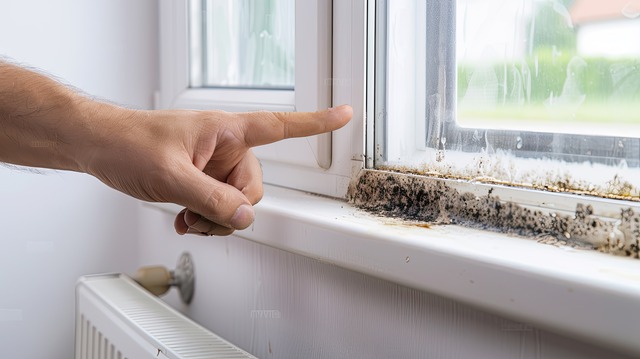
Black mould appearing on your UPVC window sealant isn’t unusual, but it isn’t something you want to leave alone either.
It looks horrible, it can cause long-term damage on your windows and it isn’t good for your health.
If left untreated, black mould will spread to surrounding areas and get on window frames and walls.
As a result, this will only make the removal more difficult and time-consuming.
Cleaning up often, especially when the temperature drops and condensation appears on windows will make a big difference.
You’ll need to make sure you have the right products to avoid damaging your window sealant and the surrounding window, here the experts reveal the best course of action.
Why does black mould appear on window sealant?
John Shaw, managing director at Fenea explains: “Black mould cropping up around your window sealant is one of those unpleasant surprises that many homeowners face, especially during colder months.
“The usual culprit? Condensation.
“When warm, humid air indoors meets the cooler surface of your window, that moisture tends to collect at the edges, particularly around the sealant where airflow is minimal.
“Over time, this creates the perfect breeding spot for those pesky mould spores to thrive.
“Unfortunately it’s a common issue we see quite often, especially in high-humidity areas like bathrooms, kitchens or bedrooms with poor ventilation.
“If it’s just one or two windows affected, it’s probably nothing more than a ventilation hiccup.
“But, if you’re spotting black mould more widely, especially alongside things like peeling paint or persistent damp patches – it may be time to investigate potential structural concerns.
“Poorly installed frames, degraded sealant or cold bridging in the wall could all be contributing to the problem.”
How should you clean mould off window sealant?
John luckily has some expert advice on how to get rid of the stuff once it’s taken up homage on your window sealant.
“Luckily, small patches of mould are usually easy to tackle.
“A soft cloth, warm soapy water and a generous splash of white vinegar will do the trick in most cases.
“It’s a gentle mix that won’t harm UPVC but still helps to get rid of mould effectively.”
While it’s tempting to dig out your harsh chemicals and hack at it with tools, John believes that’s best avoided.
“It’s best to avoid harsh chemicals or abrasive tools.
“Steer clear of glass cleaner, white spirits, WD40, cream cleaners, scouring powders or anything like steel wool as they can damage or dull the surface of the sealant and your window frames.”
TikTok star, Luke Arnel-Cameron (@Lopwert) who has built a following of one million fans and transformed his online success into a fully-fledged cleaning brand, Yass Clean adds.
“White vinegar solution is a great starting point for lighter patches, but for stubborn mould, go for a dedicated mould-removal spray.
Let it sit, scrub gently, rinse, and dry thoroughly. The secret is not just removing what you see, but getting rid of the spores too.”
Can you use bleach to remove black mould from window sealant?
Bleach is often a go-to for any stubborn cleaning, but it might not be quite right for this.
John explains: “Bleach might be a go-to for some, but we’d only recommend using a very diluted solution occasionally.
“Over time, bleach can discolour sealant and potentially cause it to break down, so you’re better off with a cleaner specifically designed for UPVC if vinegar doesn’t cut it.”
How can you stop black mould coming back?
So you’ve got rid of your black mould round your window sealant, but how can you prevent it returning?
John explains: “Once cleaned, keeping that area dry is key. Improving airflow in the room will go a long way towards stopping the mould from coming back.
“Try cracking a window open after a hot shower, or while cooking – nothing drastic, just for a few minutes to flush out moisture-rich air.
“And don’t ignore those trickle vents! They’re there for a reason.
“They might be small, but they’re working quietly to maintain good air circulation.
“A blocked or closed vent can make condensation build up faster, so give them a quick dust and keep them open where needed.
“For homes that tend to hold a lot of moisture, maybe you dry laundry indoors or live in a newer, well-sealed build.
“A small dehumidifier might be a game changer? Place one in high-moisture areas like the bathroom or utility room and it’ll quietly work away at reducing humidity before it becomes a problem.”
Luke adds: “If your sealant is old, cracked or past it’s best, replacing it can help to break the cycle. Keep on top of cleanliness, a regular spruce up helps to stop the mould feeling welcome again.”
READ MORE